Airports roll out faster border tech as holiday travel surges

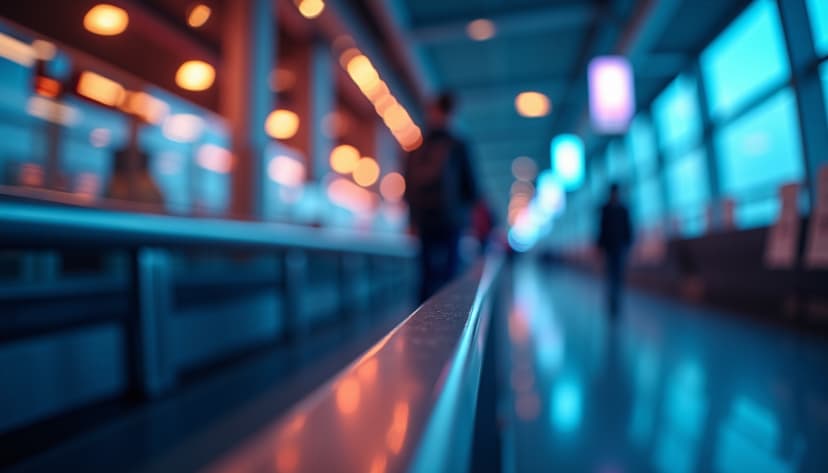
As the holiday travel season approaches, airports worldwide are implementing advanced technologies to expedite border processing and enhance passenger experience. These innovations aim to address the surge in traveler numbers and reduce wait times, ensuring a smoother journey for all.
Biometric Security Screening
Biometric security screening, utilizing facial recognition technology, is rapidly expanding across U.S. airports. This system verifies traveler identities, significantly reducing security interaction times from 25 seconds to approximately 10 seconds. Currently operational at over 30 airports, including Denver International and Los Angeles International, the Transportation Security Administration (TSA) plans to extend this technology to 400 additional locations. A 2024 survey by the U.S. Travel Association revealed that nearly 80% of air travelers support biometric screening at TSA checkpoints, citing benefits such as terrorism prevention and human trafficking deterrence.
Major airlines are also adopting biometric systems to streamline boarding processes. Delta Air Lines has implemented facial recognition technology at LaGuardia and John F. Kennedy airports, while United Airlines utilizes it at Chicago O’Hare and Los Angeles International airports. These initiatives aim to expedite passenger flow and enhance security measures.
Despite the advantages, some concerns have been raised regarding data privacy and surveillance. Privacy groups emphasize the need for strict data handling protocols and transparency to maintain passenger trust in these technologies.
Automated Screening Lanes
Automated screening lanes are being introduced at major airports to improve efficiency and reduce wait times. These lanes allow multiple travelers to load bins simultaneously and incorporate self-service ID checks, potentially increasing processing speed by 30, 40% compared to traditional lanes. Airports such as Las Vegas, Baltimore, and Los Angeles International are among the first to implement these systems. Travelers are encouraged to prepare by having laptops out only when requested, ensuring liquids are packed correctly, and keeping pockets clear before proceeding.
The implementation of automated lanes aligns with the TSA’s goal to maintain standard wait times of 10 minutes or less for PreCheck lanes and 30 minutes or less for standard screening. This technology aims to alleviate congestion during peak travel periods, enhancing the overall passenger experience.
While the new lanes promise faster processing, passengers are advised to remain vigilant and adhere to all security protocols to ensure a smooth screening process.
Enhanced Passenger Processing (EPP)
The U.S. Customs and Border Protection (CBP) agency has introduced Enhanced Passenger Processing (EPP) to expedite the entry process for U.S. citizens returning from international trips. EPP employs high-tech software and biometric scans to quickly clear travelers without the need to present passports. This system has been successfully tested and expanded to several major airports, including Charlotte Douglas International Airport, Chicago O’Hare International Airport, Denver International Airport, Hartsfield-Jackson Atlanta International Airport, Los Angeles International Airport, Seattle-Tacoma International Airport, and Dublin Airport in Ireland. The program has shown significant improvements in reducing wait times, with maximum wait times for non-U.S. citizens dropping from over 50 minutes to less than 35 minutes at Dallas Fort Worth International Airport during its trial phase.
Additionally, CBP is introducing a new app for Global Entry, expected to further streamline the border entry process for frequent travelers. The new app aims to make the Global Entry experience even faster by allowing travelers to skip the signature blue kiosks and exit passport control without stopping. This technology, known as Seamless Border Entry (SBE), has been successfully tested at several major international airports, including Miami International Airport, Chicago O’Hare International Airport, Houston George Bush Intercontinental Airport, Los Angeles International Airport, Newark Liberty International Airport, and Toronto Pearson International Airport. These upgrades are part of CBP’s broader strategy to modernize the border entry process and ensure a smooth experience for all travelers. By offering multiple options for streamlined entry, CBP aims to reduce stress and make the process more efficient. With the expected surge in international travel during the summer and the upcoming FIFA tournaments, these upgrades are essential for managing increased traveler volumes and maintaining high standards of security and efficiency.
While EPP and SBE technologies offer convenience, travelers are encouraged to stay informed about the latest procedures and ensure they have all necessary documentation to facilitate a seamless entry process.
Digital Identity Solutions
Digital identity solutions are being implemented to expedite airport processes and enhance security. These systems allow travelers to use digital IDs stored on their smartphones, reducing the need for physical documents and speeding up verification procedures. The Transportation Security Administration (TSA) has introduced digital ID programs at 25 U.S. airports, aiming to streamline security lines and improve efficiency. This initiative is particularly beneficial during peak travel periods, such as the upcoming holiday season, when airports experience increased passenger volumes.
Airlines are also adopting digital identity solutions to enhance the travel experience. United Airlines, for example, has launched a suite of upgrades to its ConnectionSaver app, including turn-by-turn directions and estimated walk times to connecting gates, helping passengers navigate large terminals more efficiently. Additionally, United has partnered with Spotify to provide a more robust in-flight entertainment experience, offering audiobooks, podcasts, and music playlists for passengers during their journey. These enhancements aim to make the travel experience more seamless and enjoyable for passengers.
While digital identity solutions offer numerous benefits, travelers should ensure their devices are secure and that they are aware of the specific procedures at their departure and arrival airports to fully leverage these technologies.
Seamless Border Entry (SBE)
Seamless Border Entry (SBE) is a technology that allows travelers to move through border control without stopping or presenting documents. This system uses advanced biometric technology to confirm the identities of Global Entry travelers on the move, enhancing efficiency and reducing wait times. SBE has been successfully tested at several major international airports, including Miami International Airport, Chicago O’Hare International Airport, Houston George Bush Intercontinental Airport, Los Angeles International Airport, Newark Liberty International Airport, and Toronto Pearson International Airport. These upgrades are part of the U.S. Customs and Border Protection’s broader strategy to modernize the border entry process and ensure a smooth experience for all travelers. By offering multiple options for streamlined entry, CBP aims to reduce stress and make the process more efficient. With the expected surge in international travel during the summer and the upcoming FIFA tournaments, these upgrades are essential for managing increased traveler volumes and maintaining high standards of security and efficiency.
Travelers are encouraged to enroll in Global Entry and familiarize themselves with the SBE process to take advantage of these expedited entry procedures. It’s important to stay informed about the specific requirements and procedures at your departure and arrival airports to ensure a smooth travel experience.
While SBE offers significant benefits, travelers should remain vigilant and adhere to all security protocols to maintain the integrity of the expedited process.
Automated People Movers (APMs)
Automated People Movers (APMs) are being introduced at major airports to enhance passenger mobility and reduce transit times within terminals. These systems provide efficient transportation between terminals and other key areas, improving the overall airport experience. Los Angeles International Airport (LAX) is set to launch a new APM system, with operations expected to begin in January 2026. The APM will operate around the clock, with trains arriving every two minutes during peak hours, facilitating faster movement throughout the airport.
The implementation of APMs aims to alleviate congestion and improve the flow of passengers, especially during peak travel periods. By providing a reliable and efficient mode of transportation within the airport, APMs contribute to a more streamlined and comfortable travel experience.
Travelers are encouraged to familiarize themselves with the APM routes and schedules at their departure and arrival airports to make the most of this service and ensure timely connections between flights.
The integration of advanced technologies in airport operations is revolutionizing the travel experience, particularly during the bustling holiday season. Innovations such as biometric security screening, automated screening lanes, Enhanced Passenger Processing, digital identity solutions, Seamless Border Entry, and Automated People Movers are collectively enhancing efficiency, security, and passenger satisfaction. As these technologies continue to evolve, travelers can anticipate a more seamless and expedited journey through airports worldwide.
While these advancements offer numerous benefits, travelers should remain informed about the specific procedures and requirements at their departure and arrival airports. Staying updated and prepared will ensure a smooth and efficient travel experience, allowing passengers to fully enjoy the conveniences provided by these technological innovations.
Créez votre voyage personnalisé
Laissez ESCAP'IA créer l'itinéraire parfait pour vous avec l'intelligence artificielle. Répondez à quelques questions et recevez votre guide de voyage sur mesure.
Commencer maintenantÀ propos de Kestas
Membre de l'équipe ESCAP'IA, passionné de voyages et d'intelligence artificielle.
Articles recommandés
Japan’s record tourism underscores Asia travel momentum
Japan's 2025 tourism surge sets new records, reflecting Asia's robust travel growth and economic imp...
U.S. travel ban expands: what travelers should know
Learn about the recent expansion of the U.S. travel ban affecting 39 countries and Palestinian Autho...
Cruise lines still shun the Red Sea as cargo traffic returns
Explore the decline in Red Sea cruise activities due to security issues and the industry's efforts t...
Prêt à planifier votre prochaine escapade ?
Laissez ESCAP'IA créer le voyage parfait pour vous avec l'intelligence artificielle. Répondez à quelques questions et recevez votre guide de voyage sur mesure en quelques minutes.