New U.S. visa fee reshapes global travel

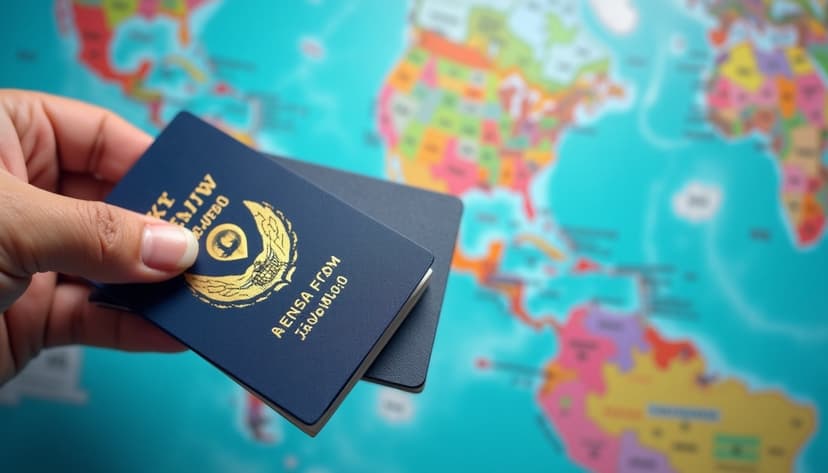
In recent years, the United States has implemented significant changes to its visa fee structure, aiming to enhance border security and streamline immigration processes. These adjustments have profound implications for international travelers, affecting both the cost and complexity of obtaining U.S. visas.
The most notable change is the introduction of the $250 Visa Integrity Fee, effective October 1, 2025. This fee applies to all non-immigrant visa applicants, including tourists, students, and temporary workers, in addition to existing application fees. The primary objective is to bolster visa security and compliance measures. However, this substantial increase has raised concerns about its potential impact on global travel patterns and the U.S. tourism industry.
Understanding the Visa Integrity Fee
The Visa Integrity Fee is a new charge imposed on non-immigrant visa applicants. This fee is intended to fund enhanced security measures and ensure compliance with U.S. immigration laws. It is important to note that this fee is non-refundable, even if the visa application is denied or the applicant does not use the visa. This policy has been a point of contention among travelers and immigration experts alike.
While the fee is designed to strengthen the integrity of the visa process, its implementation has been met with criticism. Critics argue that the fee disproportionately affects travelers from countries with lower average incomes, potentially deterring them from applying for U.S. visas. This could lead to a decline in international tourism and business exchanges, which are vital to the U.S. economy.
Furthermore, the lack of clarity regarding the refund process has added to the confusion. Travelers are uncertain about the conditions under which they might be eligible for a refund and the procedures to claim it. This ambiguity has raised questions about the transparency and fairness of the fee’s implementation.
Impact on International Travelers
The introduction of the Visa Integrity Fee has significant financial implications for international travelers. For instance, the total cost of a standard U.S. visitor visa for applicants from countries like India has nearly doubled, increasing from approximately $185 to around $472. This sharp rise in costs could make the United States a less attractive destination compared to other countries with more affordable visa requirements.
Travelers from countries such as Argentina, Mexico, China, Brazil, and India are particularly affected. These nations have seen a rise in the number of visitors to the U.S. in recent years. However, the new fee structure may reverse this trend, as potential visitors might seek alternative destinations with lower entry costs. This shift could lead to a decrease in international tourist spending, which is a significant contributor to the U.S. economy.
Moreover, the increased financial burden may disproportionately impact travelers from lower-income backgrounds, limiting their ability to visit the U.S. This could result in a more homogeneous demographic of visitors, potentially affecting the cultural diversity that the U.S. tourism industry has traditionally enjoyed.
Implications for the U.S. Tourism Industry
The U.S. tourism industry is a major contributor to the national economy, generating billions of dollars annually. The introduction of the Visa Integrity Fee raises concerns about a potential decline in international visitors. Industry leaders warn that the fee could act as a deterrent, leading to a decrease in tourist arrivals and a subsequent reduction in tourism-related revenue.
Additionally, the fee could impact business travel, which is crucial for international trade and investment. Companies may reconsider sending employees to the U.S. for meetings, conferences, and other business activities due to the increased costs associated with obtaining visas. This could affect the global competitiveness of U.S. businesses and hinder international collaboration.
Furthermore, the fee’s implementation coincides with other challenges facing the tourism industry, such as geopolitical tensions and global economic uncertainties. Together, these factors could exacerbate the decline in international travel to the U.S., affecting not only the tourism sector but also related industries such as hospitality, transportation, and retail.
Responses from the International Community
The international community has expressed concern over the new visa fee structure. Diplomatic channels have been used to communicate the potential negative impact on bilateral relations and tourism exchanges. Some countries have called for a reassessment of the fee, advocating for a more balanced approach that considers the economic benefits of tourism and cultural exchange.
Travel industry associations have also voiced their apprehension, urging the U.S. government to reconsider the fee’s implementation. They emphasize the importance of maintaining open and accessible travel policies to foster international goodwill and economic cooperation. The potential decline in international visitors could have a ripple effect on global tourism trends, influencing travel patterns and economic activities worldwide.
In response to these concerns, there have been discussions about possible adjustments to the fee structure or the introduction of exemptions for certain categories of travelers. However, as of now, no official changes have been announced, and the fee remains a contentious issue in international travel discourse.
Future Outlook and Considerations
Looking a, the impact of the Visa Integrity Fee on global travel patterns will become more apparent as its implementation date approaches. Stakeholders in the tourism and travel industries are closely monitoring the situation, preparing for potential shifts in traveler behavior and seeking strategies to mitigate adverse effects.
It is crucial for travelers to stay informed about the latest developments regarding U.S. visa policies. Understanding the fee structure, eligibility criteria, and application procedures will be essential for planning future trips to the United States. Additionally, travelers should be aware of any updates or changes to the refund process, as these could affect their travel plans and financial considerations.
The introduction of the $250 Visa Integrity Fee represents a significant shift in U.S. visa policy, with far-reaching implications for international travelers and the tourism industry. While the fee aims to enhance security and compliance, it also poses challenges that could deter potential visitors and impact the U.S. economy.
As the situation evolves, it is imperative for all stakeholders to engage in open dialogue to address concerns and seek solutions that balance security objectives with the benefits of international travel and cultural exchange. The future of global travel to the U.S. will depend on the ability to navigate these complex dynamics and adapt to the changing landscape of international mobility.
Créez votre voyage personnalisé
Laissez ESCAP'IA créer l'itinéraire parfait pour vous avec l'intelligence artificielle. Répondez à quelques questions et recevez votre guide de voyage sur mesure.
Commencer maintenantÀ propos de Kestas
Membre de l'équipe ESCAP'IA, passionné de voyages et d'intelligence artificielle.
Articles recommandés
Japan’s record tourism underscores Asia travel momentum
Japan's 2025 tourism surge sets new records, reflecting Asia's robust travel growth and economic imp...
U.S. travel ban expands: what travelers should know
Learn about the recent expansion of the U.S. travel ban affecting 39 countries and Palestinian Autho...
Cruise lines still shun the Red Sea as cargo traffic returns
Explore the decline in Red Sea cruise activities due to security issues and the industry's efforts t...
Prêt à planifier votre prochaine escapade ?
Laissez ESCAP'IA créer le voyage parfait pour vous avec l'intelligence artificielle. Répondez à quelques questions et recevez votre guide de voyage sur mesure en quelques minutes.