Noctourism rises: night travel safety, photo tips and smart planning

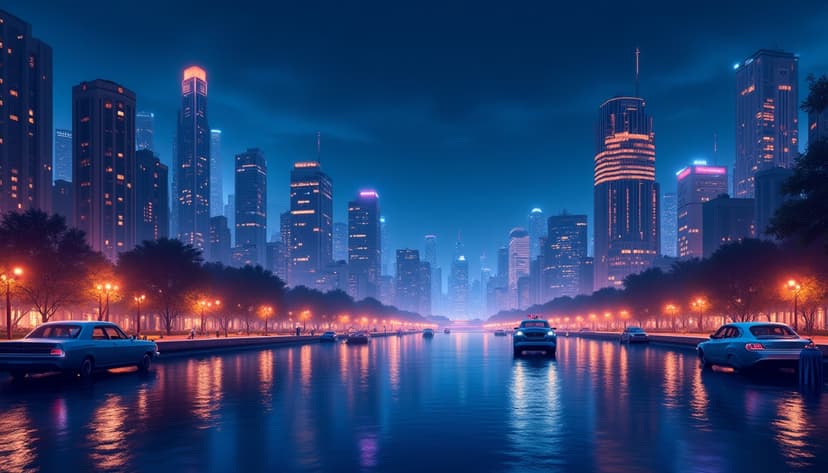
Noctourism is no longer a fringe trend , it’s a growing sector reshaping how destinations, businesses and travelers think about the hours between dusk and dawn. Global forecasts estimate the nocturnal tourism market at about USD 10.29 billion in 2025 with projections to reach roughly USD 24.82 billion by 2035 (≈9.2% CAGR), while U.S. nocturnal tourism is expanding at an estimated ~5.2% CAGR (FMI report). These numbers reflect a broad shift: from festivals and illuminated urban corridors to extended‑hour openings at major attractions and new night‑only products.
Beyond line figures, the drivers are practical and local. In China, roughly 60% of consumer spending now happens in the evening, with domestic night‑tourism spending estimated at approximately 1.91 trillion yuan in 2024 (China Ministry of Commerce/China Tourism Academy). Cities and parks are responding: a survey showed 5A‑level attractions with night openings rose from about 23% in 2020 to roughly 63% recently, and places such as Zhangjiajie report heat-driven demand for evening light shows and night tours. This article gives practical safety, photography and planning advice for anyone joining the noctourism wave.
Why noctourism is rising: markets, demand and local shifts
The commercial momentum behind noctourism is clear in industry forecasts and government reporting. Future Market Insights and related industry coverage point to double‑digit global growth over the coming decade, while regional examples show governments and operators actively developing night products to capture evening spending and create jobs. Night‑economy taskforces and investment programs are becoming common in Europe, Asia and North America.
Local conditions accelerate adoption. In hot climates, visitors and park managers alike shift programming into the cooler evening hours: staff in Zhangjiajie said daytime heat has driven visitors to evening light shows and night tours, prompting changes in opening hours and logistics. Cities from Hanoi to Ho Chi Minh are piloting night‑tourism initiatives through 2025, and the UK has targeted nocturnal product investment and off‑peak incentives.
Temporal management also helps solve overtourism and crowding at night. Academic case studies , for example research on Suwon Hwaseong , show that spreading visits across times and seasons can reduce nocturnal overcrowding while maintaining visitors’ willingness to pay for night experiences. That balance of demand management, economic benefit and visitor experience is central to sustainable noctourism growth.
Technology and design: making the night safer and more immersive
Technology is reshaping night travel: AR/VR experiences, smart architectural lighting, AI‑driven guides and wearable tech are being integrated into nighttime tours and events to boost safety and immersion. Industry voices summarize the trend: Sudip Saha of FMI notes that nocturnal tourism is integrating technology with new developments to create richer after‑dark experiences. These tools can also manage crowds, provide dynamic wayfinding and deliver contextual history and interpretation without loudspeakers or large groups.
Smart lighting and design reduce safety risks and highlight places instead of blinding visitors. Lighting strategies that prioritize contrast, color temperature and glare reduction help both pedestrians and photographers. What used to be dazzling spotlights are evolving into programmable, humane installations that protect wildlife while enhancing visibility for people.
On the operations side, many venues now publish location points (including what3words triples) and integrate ride‑share partnerships into evening logistics. That level of precision and real‑time coordination makes it easier to find meeting points, call help if needed, and synchronize transport for night events or remote dark‑sky outings.
Safety and smart planning for after‑dark travel
Planning is the single best tool for safe noctourism. Enroll in the U.S. Department of State’s Smart Traveler Enrollment Program (STEP) for embassy and consular alerts when traveling abroad, and register your high‑risk or remote plans with local providers. Prebooking reputable transport, sharing ETAs with contacts, and carrying local emergency numbers are simple steps that prevent many problems.
Women travelers should consult the State Department’s guidance for practical night‑time precautions: watch drinks, avoid isolated areas, use official transport options, and keep emergency contacts accessible. Modern ride‑hailing apps include safety features like trip sharing, in‑app emergency buttons and verified driver details; use those tools and verify license plates and driver names before entering a vehicle.
For groups or remote excursions, consider what3words or equivalent precise location tools so you can share exact points with emergency services or friends. Also verify insurance and evacuation limits if you plan adventurous night activities or dark‑sky trips , many travel and consular pages recommend medical and evacuation coverage for after‑hours rescues.
Health, circadian rhythm and long‑haul considerations
Night travel changes your clock. The CDC Yellow Book (Jet Lag chapter, Apr 2025) recommends timed light exposure, pre‑flight schedule shifting and judicious use of melatonin to reduce circadian disruption when your plans include significant after‑dark activity. Choosing flights that arrive at times that match the local daylight rhythm can also help you adapt faster to evening‑focused itineraries.
Long travel raises other health risks. Venous thromboembolism (VTE) risk increases with long flights; travel medicine guidance advises moving and stretching during flights, hydrating well, and seeking medical advice if you are high‑risk. If your noctourism includes strenuous night hikes or remote stargazing, plan rest, hydration and easy beats into your schedule to avoid exhaustion and prevent accidents.
Finally, practical bedside planning matters: bring enough warm layers for cool nights, spare batteries because cold drains cells faster, and a lamp with red‑light mode to preserve night vision and minimize impact on other visitors and wildlife.
Night photography: core techniques for cityscapes and stars
Night photography is an excellent companion to noctourism, but it requires different techniques than daytime shooting. Start with a sturdy tripod, shoot RAW and use manual exposure. For city light trails and architecture, try long exposures at low ISO with a narrow aperture for depth; for Milky Way and stars, a wide aperture prime (f/1.8, f/2.8), higher ISO and exposures of 15, 30 seconds are typical without tracking.
Scouting locations during daylight is invaluable. Use apps like The Photographer’s Ephemeris and moon‑phase tools to plan blue‑hour windows and the best nights for astrophotography. Shooting during the blue hour gives a balance of sky color and artificial light that is often the most pleasing for urban noctourism portraits and cityscapes.
Bring spare batteries and a remote shutter or intervalometer for long exposures. Manage noise by shooting RAW, applying long‑exposure noise reduction when appropriate, and using stacking techniques (multiple frames) to reduce noise in star‑trail or deep‑sky compositions.
Advanced night shooting, conservation and personal safety
For astrophotography and dark‑sky outings, check light pollution maps and schedule around the new moon for the best Milky Way visibility. Respect local access rules, curfews and Leave No Trace principles , many protected areas now require permits or post curfew rules specifically to protect wildlife and the visitor experience at night.
When photographing at night, personal safety and gear security are critical. Keep straps and locks on cameras, use anti‑theft bags, stay aware of surroundings, and avoid isolated locations alone. Tell someone your precise location and ETA, and carry a reliable lamp, portable power and a small first‑aid kit.
Noise management with multiple‑frame stacking reduces grain for star fields; long exposure noise reduction can help, but it doubles exposure time, so balance your workflow. If you move into advanced tracking or composite imaging, plan battery and data management , long nights produce lots of frames to store and process.
Policy, transport and crowd management: planning your perfect night out
City policies increasingly make noctourism easier: extended public transport hours, off‑peak fare trials and dedicated night offices are being piloted in many places. Check local mayor and transport pages before late‑night activities; trials like London’s off‑peak fare initiatives or targeted night‑economy offices can change the viability of late departures and returns.
Consider crowd management tactics: staggered entry times, timed‑ticketing and spreading events across evening hours reduce overcrowding and improve safety. The Suwon Hwaseong study and other management experiments show that temporal distribution preserves visitor satisfaction while easing congestion.
Bookmark and consult reliable references before you go: FMI nocturnal tourism reports for industry trends, China Tourism Academy data for night‑economy examples, the CDC Yellow Book for health preparation, the U.S. State Department’s STEP and safety pages, what3words for precise location sharing, and reputable photography guides such as Skylum and National Geographic for technical tips.
Noctourism offers fresh ways to experience destinations, from stargazing in remote parks to immersive light festivals and late‑night cultural programming. With market growth and technological innovation underpinning new products, after‑dark travel will continue to expand, bringing both opportunity and responsibility for hosts and visitors.
Travelers can join the trend safely and creatively by planning carefully: enroll in STEP where appropriate, use modern safety features in apps, manage circadian and health risks, and respect local rules and conservation needs. With a little preparation and the right gear, noctourism can deliver memorable, safe and sustainable experiences that make the night as inviting as the day.
Créez votre voyage personnalisé
Laissez ESCAP'IA créer l'itinéraire parfait pour vous avec l'intelligence artificielle. Répondez à quelques questions et recevez votre guide de voyage sur mesure.
Commencer maintenantÀ propos de Kestas
Membre de l'équipe ESCAP'IA, passionné de voyages et d'intelligence artificielle.
Articles recommandés
China-Japan tensions trigger 1,900 flight cancellations, jolting Asia travel
Diplomatic tensions between China and Japan in December 2025 resulted in over 1,900 flight cancellat...
Navi Mumbai airport opens: routes, deals and smart planning tips
Discover the latest on Navi Mumbai International Airport's opening, routes, airline partnerships, an...
Japan’s record tourism underscores Asia travel momentum
Japan's 2025 tourism surge sets new records, reflecting Asia's robust travel growth and economic imp...
Prêt à planifier votre prochaine escapade ?
Laissez ESCAP'IA créer le voyage parfait pour vous avec l'intelligence artificielle. Répondez à quelques questions et recevez votre guide de voyage sur mesure en quelques minutes.