U.S. passport slips: visa tips and smart trip planning

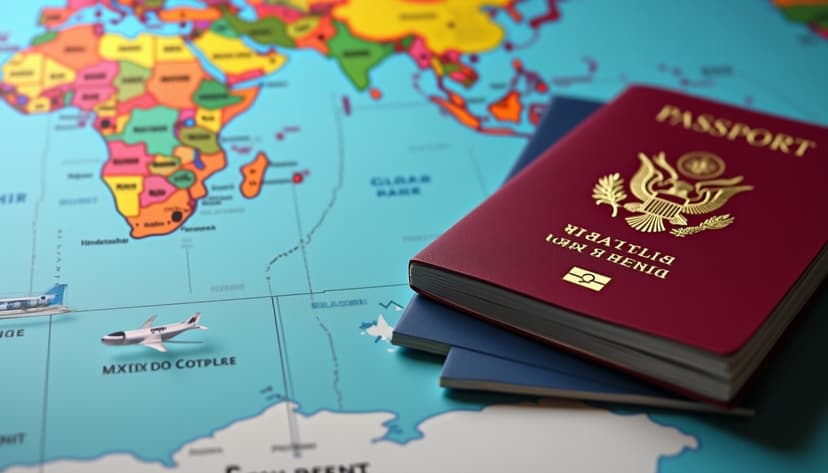
U.S. passport slips , small mistakes, lapses in timing, or overlooked rules , can turn a smooth trip into a scramble at the gate or an embassy line. With changing global entry systems, fee updates, and shifting visa policies, planning a is no longer optional: it’s essential. This article walks through practical visa tips and smart trip-planning moves to keep you moving.
Expect specifics: the U.S. passport’s standing in the Henley Passport Index has shifted, border systems in the EU are going digital, and U.S. travel authorizations and processing windows have new timelines and fees. Read on for actionable checklists and deadlines to protect your travel plans and wallet.
Where the U.S. passport stands now
The Henley Passport Index 2025 marked a milestone: the U.S. passport dropped out of the top 10 for the first time in 20 years and is now ranked 12th, with visa‑free or visa‑on‑arrival access to 180 destinations. That means mobility remains strong, but competition is changing rapidly across the globe.
What that ranking doesn’t show is the growing complexity behind entry rules. Digital entry systems, new travel authorizations, and varying visa‑on‑arrival (VOA) conditions mean that visa‑free access doesn’t always equal hassle‑free travel.
Takeaway: even with broad access to many countries, check destination requirements every trip. Don’t assume past experiences will translate directly into seamless entry on your next journey.
ESTA, fees and timing: what to know before you apply
If you travel to Visa Waiver Program countries, your ESTA matters. Note the fee increase effective September 30, 2025: U.S. Customs and Border Protection raised the ESTA charge from $21 to $40, and a Federal Register notice published August 28, 2025 formalized the change. Applications approved before Sept. 30 keep the lower $21 rate.
An approved ESTA is valid for up to two years or until your passport expires, so timing your application can save money. If your passport is due to expire, remember ESTA validity ties to passport validity , a new passport often means reapplying.
Practical tip: if you have travel planned and an eligible passport, consider applying before fee changes take effect. Always use the official ESTA site and beware of third‑party scams charging extra for the same application.
Passport processing: routine, expedited, and emergency options
The U.S. Department of State publishes current processing windows: routine service generally takes about 4, 6 weeks, and expedited service about 2, 3 weeks (with a $60 expedite fee). Processing times begin when the agency receives your application and do not include mailing time, so build in extra days for postage.
If you need a passport faster, emergency appointments are available for travel within 14 days; these appointments pair with the $60 expedite fee and optional faster return shipping (1 or 2 day) for an extra $22.05. The State Department has clear guidance for these faster paths.
Plan widely a of peak seasons and major events. For high‑demand times (major sports tournaments, festivals, or summer vacations) start your application as early as possible to avoid expediting fees and stress.
Visa interviews, waivers, and changes to expect
Visa interview policies can change quickly. A U.S. Department of State update on September 18, 2025 (effective October 1, 2025) revised interview‑waiver eligibility, meaning many nonimmigrant applicants will generally require in‑person interviews with only limited exceptions. Before you apply, check the embassy or consulate website for local rules and appointment availability.
When visas are required, embassies may add capacity around big events (for example, increased staffing for major sporting events). Expect longer waits during surge periods and start paperwork early to avoid missing deadlines.
Many destinations now offer e‑visas or VOAs, but rules vary. Confirm photo specs, document lists, fees, and processing times (some e‑VOAs require 48, 72 hours advance). Always use official embassy or government sites to apply.
New border tech: EU EES rollout and ETIAS on the horizon
The EU began a phased rollout of its Entry/Exit System (EES) on October 12, 2025, which captures digital entry/exit records and biometrics, replacing passport stamping. Travelers should expect biometric scans on first entry and electronic records retained for several years; a full rollout is expected by April 10, 2026.
ETIAS , the EU travel authorization for visa‑exempt visitors , depends on full EES implementation. Press coverage projects ETIAS operations in late 2026 with discussions about a fee around €20. Monitor the official ETIAS site for activation dates and beware scams posing as official authorization portals.
If Europe is on your itinerary, prepare for a slightly different arrival experience: biometric gates, digital records, and (eventually) an ETIAS check before travel. Factor these into your timeline and documentation checklist.
Passport validity, pages, and boarding requirements
Many countries , and some airlines , require at least six months of passport validity beyond your travel dates. The State Department explicitly warns that some airlines will not allow boarding if this requirement is not met. Check Destination Information for each country before you go.
Damaged or altered passports are another common pitfall. Water damage, torn pages, or what looks like tampering can lead to denied boarding or entry. Replace a damaged passport before travel or contact the nearest U.S. consulate if you discover damage abroad.
Also confirm page count: if you travel frequently, ensure your passport has enough blank visa pages. Some destinations require visa or entry stamps on consecutive blank pages , don’t get surprised at the border.
Onward tickets, health, and local entry rules
Many countries and airlines require proof of onward or return travel at check‑in. Examples include Peru and Indonesia, where immigration or the airline may ask for a return/onward ticket before boarding. Carry printed or digital confirmations to avoid last‑minute complications.
Travel health rules remain important: certain destinations still require vaccines such as Yellow Fever and may deny entry without an International Certificate of Vaccination. Check CDC guidance and destination rules well before travel to allow time for required shots and documentation.
Combine health checks with visa and entry rules in a single pre‑trip checklist: passport, required visas/e‑authorizations, vaccine certificates, and onward tickets. Cross‑check airline rules as well as embassy pages for the most current requirements.
Lost/stolen passports and security best practices
If your passport is lost or stolen abroad, report it immediately to the nearest U.S. embassy or consulate and to the State Department. Once reported, the passport cannot be used for travel even if it’s later found. Follow DS‑64 (report) and DS‑11 (replacement) procedures as instructed by consular staff.
Security best practices reduce ache: make photocopies and secure digital backups of passport ID pages, visas and travel documents. Enroll in the Smart Traveler Enrollment Program (STEP) , a free service that sends embassy alerts and lets U.S. posts contact you in emergencies.
Also store emergency contact info and local embassy details on your phone and as a printed copy. These small steps dramatically speed replacement and recovery when things go wrong.
Domestic ID rules and event planning
REAL ID enforcement took effect for domestic commercial air travel on May 7, 2025. Acceptable alternatives include a valid U.S. passport or passport card, so if you don’t have a REAL ID, carry your passport for domestic flights. Check TSA’s list of acceptable IDs before flying.
For travel tied to major events (like the 2026 FIFA World Cup or large festivals), anticipate longer visa demand and potential special consular processing. Start visa and paperwork early, and watch embassy notices for surge staffing or dedicated appointment windows.
Money and timing tip: because an approved ESTA remains valid until passport expiry (or two years), lining up passport renewals and ESTA applications smartly can avoid repeat fees. Plan early and take advantage of current fee windows when possible.
Smart trip planning and attention to detail turn potential U.S. passport slips into manageable tasks. Use official sources, enroll in STEP, and keep backups of documents to reduce risk and stress.
Travel rules will continue to evolve , digital entry systems, new authorizations like ETIAS, and shifting consular policies mean the best defense is preparation. Start early, confirm requirements for each destination, and keep your passport and travel authorizations current.
Créez votre voyage personnalisé
Laissez ESCAP'IA créer l'itinéraire parfait pour vous avec l'intelligence artificielle. Répondez à quelques questions et recevez votre guide de voyage sur mesure.
Commencer maintenantÀ propos de Kestas
Membre de l'équipe ESCAP'IA, passionné de voyages et d'intelligence artificielle.
Articles recommandés
Japan’s record tourism underscores Asia travel momentum
Japan's 2025 tourism surge sets new records, reflecting Asia's robust travel growth and economic imp...
U.S. travel ban expands: what travelers should know
Learn about the recent expansion of the U.S. travel ban affecting 39 countries and Palestinian Autho...
Cruise lines still shun the Red Sea as cargo traffic returns
Explore the decline in Red Sea cruise activities due to security issues and the industry's efforts t...
Prêt à planifier votre prochaine escapade ?
Laissez ESCAP'IA créer le voyage parfait pour vous avec l'intelligence artificielle. Répondez à quelques questions et recevez votre guide de voyage sur mesure en quelques minutes.