Aurora travel now: best spots, tips and photo deals

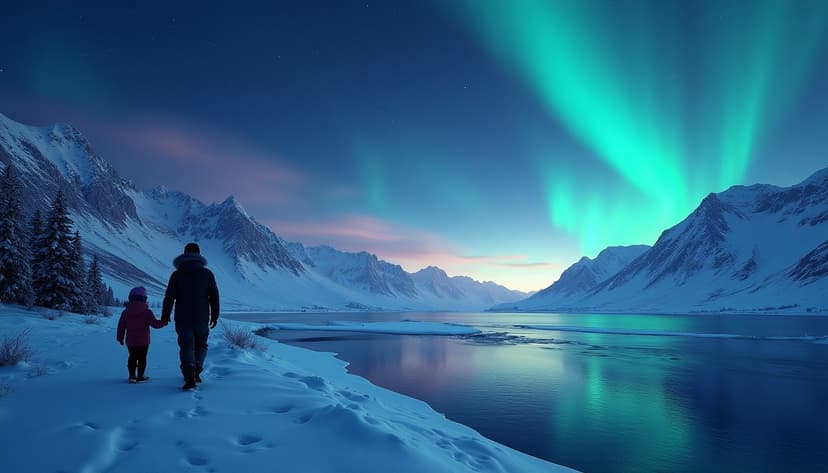
The aurora conversation has a clear call to action: Aurora travel now. Solar Cycle 25 is at or near its maximum, delivering more frequent and intense displays through 2026, and national tourism bodies and travel experts are saying this is the period to plan your chase. If you’ve been waiting for a high-probability window to see strong northern (and southern) lights, the next couple of years offer some of the best odds we’ll likely see for a while.
This guide walks through the best viewing spots, real‑time forecasting tools, photo and gear tips, booking deals and safety advice so you can maximize your chances on a trip of 3, 5 nights (or even a single high‑probability night). Whether you aim for Tromsø’s guided chases, Abisko’s Sky Station clarity, Yellowknife’s packaged tours, or a southern seasonal hunt in Tasmania or Lake Tekapo, practical planning and the right apps will make your nights much more productive.
Why 2025, 2026 Is the Time to Go
Solar Cycle 25 has ramped up and is at/near maximum activity, meaning geomagnetic storms and auroral displays are more frequent and energetic through 2026. Tourism authorities from Norway to Canada have flagged this period as an excellent window to book aurora trips because Kp‑index events are more common than during quieter cycles.
Equinox months (September and March) historically show boosted geomagnetic activity, while winter offers long nights , though sometimes tougher cloud conditions. For planning, aim for the late‑August/September through early‑April season and give yourself multiple nights to ride out cloudy weather and catch peak storms.
Operators and national tourism boards have also introduced special offers and guarantees tied to these active years: some cruise lines and long coastal itineraries now advertise Northern‑Lights guarantees (free future voyages if qualifying sailings see no aurora), and several tour companies have added flexible rebook options for 2024, 2026 seasons. Always confirm current terms before you book.
Top Northern Hemisphere Spots , Where to Base Yourself
Tromsø, Norway sits inside the auroral oval and is a practical base: easy international access, many nightly guided chases, fjord cruises and cable car viewpoints. Norwegian tourism highlights Tromsø during peak activity years and many local operators will relocate groups to clear skies on short notice.
Abisko, Sweden, is famed for the Aurora Sky Station and exceptionally good clear‑sky statistics; it’s often marketed as one of the world’s most reliable places to view the lights because of local micro‑climates and low light pollution. If photo reliability is your priority, Abisko deserves strong consideration.
Finnish Lapland (Rovaniemi, Ivalo, Kakslauttanen) blends aurora viewing with signature winter packages: glass‑igloo stays, wake‑up alarms for sudden displays, and bundled activities like husky safaris. Visit Finland recommends equinox months and highlights the packaged convenience of combining aurora nights with daytime excursions.
Iceland (Reykjavik + Thingvellir, Jökulsárlón and countryside) is ideal for combining geothermal and glacier tourism with aurora hunts; the Icelandic Met Office (vedur.is) provides composite aurora+cloud maps to pick the best local nights. Hotel Rangá and other properties offer wake‑up services so you won’t miss short shows.
In North America, Yellowknife, NWT sits directly under the auroral oval; Aurora Village and packaged operators run nightly viewing experiences and multi‑night packages (example packages from Spectacular NWT start around CAD 2,500, 2,800 for 4, 5 nights). Fairbanks, Alaska, offers a long aurora season and infrastructure for tours and lodges , locals recommend staying ≥3 nights for high odds (often cited as ~80, 90% when actively searching during active periods).
The Yukon and Northwest Canada (Dawson, Whitehorse, Tombstone Park) provide very dark skies and a long viewing window from mid‑August to mid‑April; the Yukon promotes equinox boosts and recommends fall and winter seasons for different photographic moods.
Southern Lights , Accessible Southern Hemisphere Options
The Southern Lights (Aurora Australis) are visible from parts of southern Australia and New Zealand when geomagnetic conditions are strong. Tasmania , especially Hobart and Mount Wellington , is one of the most accessible Australian viewing points for the southern aurora.
New Zealand’s Aoraki Mackenzie region (Lake Tekapo) is a recognized dark‑sky reserve with local stargazing operators who add aurora‑watch trips when southern storms arrive. These locations combine low light pollution with helpful local guides skilled at reading cloud and activity patterns.
Southern Lights sightings are less frequent for many travelers, so combine aurora hopes with daytime attractions (geothermal, glaciers or star tourism) to make the trip worthwhile even if activity windows are narrow. Local operators and reserve websites are the best sources for last‑minute alerts and guided options.
Forecasting & Real‑Time Tools to Use Now
Before you out, bookmark NOAA SWPC’s Aurora Dashboard (Kp forecasts with 3‑day and 27‑day outlooks) and regional services like vedur.is (Iceland) that combine aurora probability with cloud maps. NASA’s aurora guides and Aurorasaurus crowd reports provide complementary tips and human sighting confirmations in near real time.
Apps to install: My Aurora Forecast (push Kp & map), Aurora Forecast 3D (visual compass), AuroraWatch UK and HelloAurora. Aurorasaurus and local AuroraWatch services add community reporting that can tip you off faster than satellites alone. Check app permissions and note some apps charge for advanced features.
Understand how to read Kp: Kp 0, 2 means activity is limited to polar regions; Kp 3, 4 opens up Arctic Scandinavia and Canada; Kp 5+ pushes visibility much farther south (Iceland, Scotland, northern U.S. during strong storms). Always pair Kp with cloud cover and moon phase , the three together determine real viewing chances.
Photography: Settings, Composition, and Cold‑Weather Care
For sellable aurora photos use a wide‑angle fast lens (14, 24mm, f/2.8 or faster), a sturdy tripod, and manual focus set to infinity. Typical starting settings from pros: ISO 800, 3200, shutter 5, 25s (shorter exposures for fast auroral motion), aperture wide open; shoot RAW and bracket exposures to capture dynamic range and color.
Composition sells images: include foregrounds like water, mountains, trees, buildings or people for scale and storytelling. Vertical frames work well for tall arcs and standing reflections on water, while panoramic sequences capture sweeping curtains. Think in layers: foreground + aurora + sky for depth.
Cold weather drains batteries fast , keep spares warm in inner pockets and rotate them as needed. Prevent condensation by allowing gear to acclimatize when bringing cameras back indoors and use lens cloths. Use a remote shutter or 2‑second timer to avoid camera shake and bracket exposures to account for sudden brightness changes.
Tours, Cruises, Deals & How to Choose Operators
Guided chases are valuable for single‑night strategies and for photographers who want instruction. Pick operators that monitor space‑weather forecasts in real time, offer flexible rebooking if skies are cloudy, and keep groups small so guides can help with composition and camera settings.
Cruises and coastal sailings (Hurtigruten, Havila and others) offer mobility and low light pollution, with some lines offering Northern‑Lights guarantees (a free future voyage if qualifying sailings see no aurora). Guarantees expanded in recent seasons , check current terms and qualifying conditions before booking.
Compare budget DIY options (self‑drive roadside viewing) against guided multi‑night packages. Example costs: Yellowknife multi‑night packages from Spectacular NWT start around CAD 2,500, 2,800 for a 4, 5 night trip; guided single‑night chases and small‑group photographic tours are typically priced per night or per excursion. Look for flash sales on major booking platforms but confirm cancellation and rebook policies for weather disruptions.
Safety, Logistics & Budgeting Tips
If you plan to self‑drive in Alaska, Canada or Scandinavia, prepare for winter road conditions. Carry emergency gear, monitor local road and weather sites (road.is in Iceland, local DOTs in Alaska/Canada), and buy travel insurance that covers weather‑related disruptions. Refundable tickets add flexibility in active seasons.
Plan 3, 5+ nights when possible , travel pros emphasize multi‑night stays to beat variable weather and maximize success. If you have only one night, choose a high‑probability location inside the auroral oval, hire a flexible certified guide who can chase clear skies, and stay out through local magnetic midnight hours (often ~21:00, 03:00 depending on location).
Budget realistically: DIY viewing is the lowest cost but demands flexibility and a vehicle; guided nights and cruises cost more but include local expertise, transport, and sometimes photography instruction. For premium convenience, glass suites and aurora wake‑up services at hotels like Rangá or Lapland igloo resorts save you late‑night travel time but come at a higher price point.
Quick Planning Checklist & Resources to Bookmark
Essential bookmarks: NOAA/SWPC Aurora Dashboard (Kp, 3/27‑day forecasts), NASA aurora photography guide, vedur.is for Iceland aurora+cloud maps, Visit Norway/Visit Finland/Travel Yukon/Explore Fairbanks pages for local advice, and Aurorasaurus for crowd reports. These combine to give you the best real‑time decision set on trip nights.
Apps to install before travel: My Aurora Forecast, Aurora Forecast 3D, AuroraWatch UK (region specific), and Aurorasaurus. For camera prep, review photography guides from National Geographic and NASA to set baseline exposure and composition strategies.
If you’d like live Kp and cloud checks plus a short 3‑night plan (dates, where to base, cheapest current tours) for a specific travel window and departing city, ask me the dates and origin and I can look up flights, hotels and tour deals now.
Chasing the aurora during a solar maximum is a rare travel opportunity. With Cycle 25 producing stronger geomagnetic activity through 2026, your best odds are now , but success still comes down to planning: multi‑night stays, the right base locations, real‑time forecasting and the photography gear and techniques that capture the moment.
Use this guide as a checklist: pick a high‑probability base inside the auroral oval, install the forecasting and community‑reporting tools, choose a flexible operator or be ready to self‑move for clear skies, and bring the camera gear and cold‑weather care that keeps you shooting all night. If you want personalized planning or live Kp/cloud checks for specific dates, tell me your travel window and departure city and I’ll pull current options.
Créez votre voyage personnalisé
Laissez ESCAP'IA créer l'itinéraire parfait pour vous avec l'intelligence artificielle. Répondez à quelques questions et recevez votre guide de voyage sur mesure.
Commencer maintenantÀ propos de Kestas
Membre de l'équipe ESCAP'IA, passionné de voyages et d'intelligence artificielle.
Articles recommandés
IATA says October air travel growth signals strong holiday demand
Explore IATA's October 2025 report on global air travel demand, highlighting a 6.6% increase and imp...
Brightline West advances: plan your Vegas, SoCal rail trip
Discover Brightline West's high-speed rail project connecting Las Vegas and Southern California, off...
Airlines eye record profits as capacity crunch shapes global travel
Global airlines projected to achieve record profits in 2026 despite capacity constraints and operati...
Prêt à planifier votre prochaine escapade ?
Laissez ESCAP'IA créer le voyage parfait pour vous avec l'intelligence artificielle. Répondez à quelques questions et recevez votre guide de voyage sur mesure en quelques minutes.