EES goes live across Europe: travel tips and planning advice

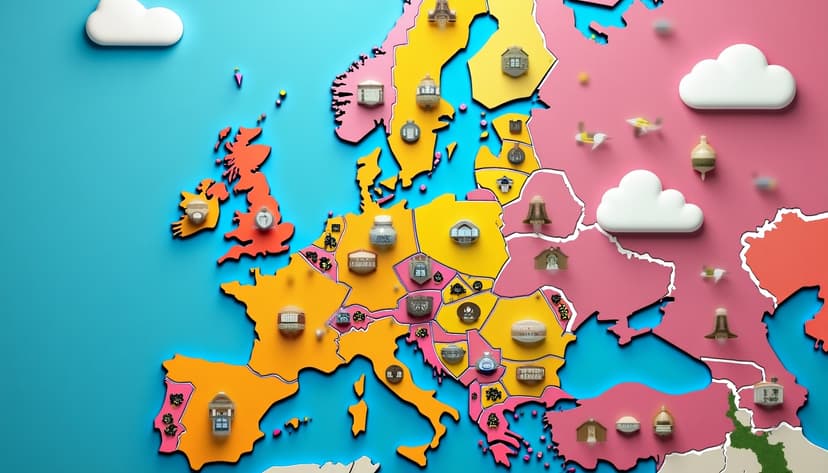
The EU’s Entry/Exit System (EES) went live on 12 October 2025 and is being rolled out progressively across participating external Schengen borders over a six-month period, with full deployment at all external Schengen border crossing points scheduled for 10 April 2026. Travellers will see changes at some crossings immediately and at others as the system is activated locally, so expect a transition period where new digital checks and traditional passport stamps may both be in use.
This article collects practical EES travel tips and planning advice to help non-EU/EEA/Swiss travellers prepare for short stays in the 29 participating countries, and for travellers interacting with ferry, train and road terminals that are introducing kiosks and new flows. Read on for what data is recorded, how first-time registration works, what to bring, and what to expect at vehicle and UK‑Europe crossings.
What EES is and who it applies to
The Entry/Exit System is an EU digital border-management system for third-country nationals (non-EU/EEA/Swiss) making short stays (up to 90 days in any 180-day period) at the external borders of 29 participating countries. Ireland and Cyprus do not apply EES in this rollout, so rules and checks there differ.
EES replaces the need for manual passport stamping once full deployment is complete; during the six-month progressive rollout passports may still be stamped at some crossing points. The system centralises entry and exit records, enabling authorities to monitor short-stay limits and improve identification of identity fraud.
If you hold a residence permit or a long-stay visa issued by an EU Member State, or belong to certain categories of family members covered by other arrangements, you are excluded from EES checks and must present your permit or long-stay visa at control instead.
What data EES collects and how it is used
On first EES entry and on first recorded exit, the system captures alphanumeric travel-document data and biometrics: a facial image for all travellers and four fingerprints for visa-exempt travellers (visafees will already have fingerprints recorded at visa application). EES also logs date and place of entry and exit and records of entry refusals.
These electronic records replace stamps and are used to detect overstayers, identity/document fraud and irregular patterns of travel. Overstaying flagged in EES can trigger national procedures such as fines, refusal of entry or return operations under domestic rules.
The rules governing EES operation are set in EU regulation and include data-protection safeguards: travellers have rights to access, rectify and, where appropriate, request erasure of their data, and national data-protection supervisors and the European Data Protection Supervisor oversee compliance.
First registration vs subsequent crossings: what to expect
At your first EES crossing you must register biometrics either at a self-service kiosk or with a border officer; this includes a facial image and, for adults and children aged 12 and over when required, four fingerprints. The first registration takes longer than subsequent checks, so allow extra time.
Once registered, later visits use a fast biometric verification which is much quicker and reduces time at border control for repeat short‑stay visitors. The EES record is valid for three years (or until passport expiry), so frequent short-stay visitors should use the same passport to keep checks speedy.
Refusal to provide required biometrics at the border may result in denial of entry, so compliant travellers should follow the registration procedure. If you have a physical reason you cannot provide fingerprints, national authorities recognise exemptions , you should explain this to the border officer and present any supporting documents if available.
Practical tips for arrivals and documents to have on hand
Allow extra time at arrival. During the phase-in many operators and national authorities recommend arriving earlier than you used to: plan additional time for queueing and first-time registration at air, sea and land borders. Reports from early rollout locations saw localized long waits, including multi-hour queues for non-EU travellers at Brussels Airport in mid‑October 2025.
Bring the biometric passport you will use for entry/exit (EES records link to the travel document), proof of exemption if applicable (residence permit or long-stay visa), booking and accommodation details, and travel/medical insurance documentation to answer routine border questions. Check the specific guidance of your airline, ferry operator or terminal before travel.
One-line checklist: Bring your biometric passport, allow extra time at arrival, have proof of exemption if relevant, expect a photo + fingerprints at first crossing (not for under‑12s), and check Official Travel Europe for border-point status.
Families, children and special cases
Children under 12 are exempt from fingerprinting but will still have a facial image taken at EES registration; ensure each child’s passport is ready and valid. Some terminals provide family lanes or separate child-registration procedures, follow signage and staff instructions to speed the process.
Persons for whom fingerprinting is physically impossible are exempt from fingerprint recording; national border authorities reiterate this exemption and will use the facial image and alternative checks as needed. Carry any medical documentation that explains the impediment if relevant, though in many cases a verbal explanation at control suffices.
If you are excluded from EES because you hold a residence permit, long-stay visa or fall into a specific family-member category, have the relevant document ready to present at control rather than expecting to use EES lanes or kiosks.
Crossing by vehicle, ferry, Eurotunnel and UK links
Vehicle, coach and ferry crossings operate differently to airports: operators often require passengers to disembark and use dedicated kiosks or lanes to register or verify biometrics. Expect a different flow than before EES, check your operator’s instructions and boarding information in advance.
UK-to-Europe crossings (Dover, Eurostar, Eurotunnel) staged rollouts, sometimes prioritising coaches and freight before cars and passenger vehicles; operators and the UK government funded preparatory measures (including around £10.5m of support). Eurotunnel reported installation of hundreds of biometric kiosks across terminals , approximately 224 kiosks were noted in initial coverage , but exact kiosk counts vary by terminal.
Check terminal-specific start dates and arrangements with ferry companies, Eurostar, Eurotunnel and port authorities before travel. If you are travelling in a vehicle, allow time to disembark if required and follow on-site staff instructions to move through the EES process smoothly.
Privacy, retention, legal safeguards and next steps (ETIAS)
Entry and exit records and individual files are retained in the central EES for three years after exit, or five years in cases of overstaying or a recorded refusal of entry; these retention periods are set by EU law. The system operates within a legal framework that includes safeguards on access and use of data.
Travellers may exercise rights to access, rectify or request erasure of their EES data as allowed by law; for questions or complaints contact the national supervisory authority of the Member State where the check happened or the European Data Protection Supervisor. The EU information campaign and Official Travel Europe portal provide contact routes and practical guidance.
EES is also a prerequisite for the upcoming ETIAS traveller authorisation system, scheduled to start in the last quarter of 2026; ETIAS will require visa‑exempt travellers to obtain authorisation in advance (a fee of around EUR 20 is planned, pending final adoption). Keep an eye on Official Travel Europe and national pages for ETIAS updates and for announcements about which border points have activated EES during the progressive rollout.
The transition to EES aims to make short‑stay border checks faster and more secure once the full rollout is complete, but the progressive deployment means experiences vary by crossing. If you are travelling soon, especially as a non‑EU/EEA/Swiss national, plan extra time, bring the right documents and follow operator and border signage.
Staying informed is the best way to avoid surprises: check airline, ferry or train operator pages, official national border pages and the Official Travel Europe portal before departure, and use the contact points provided in the EU information campaign if you have questions about your data or the process. Safe travels and allow a little extra time on arrival during this initial rollout of the EES.
Créez votre voyage personnalisé
Laissez ESCAP'IA créer l'itinéraire parfait pour vous avec l'intelligence artificielle. Répondez à quelques questions et recevez votre guide de voyage sur mesure.
Commencer maintenantÀ propos de Kestas
Membre de l'équipe ESCAP'IA, passionné de voyages et d'intelligence artificielle.
Articles recommandés
China-Japan tensions trigger 1,900 flight cancellations, jolting Asia travel
Diplomatic tensions between China and Japan in December 2025 resulted in over 1,900 flight cancellat...
Navi Mumbai airport opens: routes, deals and smart planning tips
Discover the latest on Navi Mumbai International Airport's opening, routes, airline partnerships, an...
Japan’s record tourism underscores Asia travel momentum
Japan's 2025 tourism surge sets new records, reflecting Asia's robust travel growth and economic imp...
Prêt à planifier votre prochaine escapade ?
Laissez ESCAP'IA créer le voyage parfait pour vous avec l'intelligence artificielle. Répondez à quelques questions et recevez votre guide de voyage sur mesure en quelques minutes.