United rolls out Starlink wi‑fi: planning and deal tips

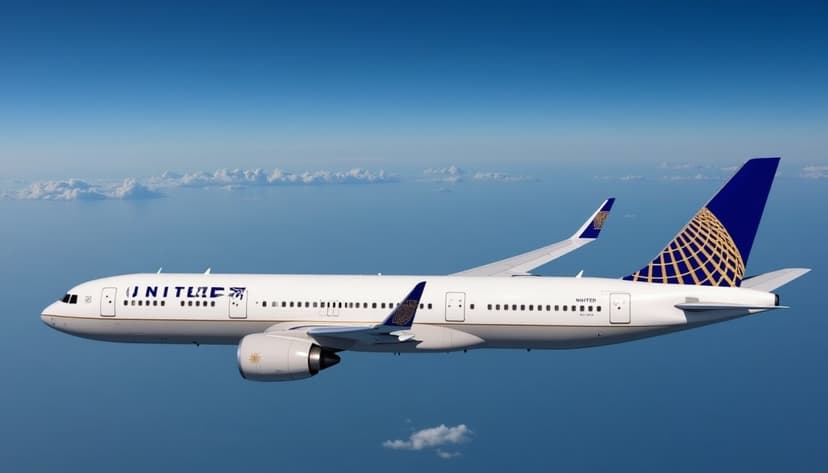
United Airlines has begun a fleetwide shift to Starlink Wi‑Fi, moving from initial regional service in spring 2025 to certified mainline operations in October 2025. The carrier scheduled its first Starlink‑equipped mainline commercial flight for Oct. 15, 2025 (Newark → Houston, flight 2940) after receiving the FAA STC amendment for the Boeing 737‑800 on Sept. 26, 2025.
That public milestone follows months of beta tests, staged installs and detailed planning. This article breaks down the rollout timeline, installation logistics, certification realities and practical negotiation and procurement tips for airlines, MRO shops and large fleet operators evaluating or contracting in‑flight connectivity (IFC) upgrades.
Rollout timeline and program scale
United began commercial Starlink service on regional jets in spring 2025 and deliberately staged its rollout: regional aircraft were prioritized for early customer feedback and operational tuning before mainline installs. Public timelines show United planned roughly 40 regional installs per month early in the rollout and later reported installing about 50 regional jets per month while adding up to 15 737‑800s per month for mainline conversions.
The program’s scale is significant: United expects nearly 2,940 Starlink antennas across its fleet, with two antennas planned on each 737‑800. That scale drives procurement leverage, installation scheduling complexity, and the need for robust program management to coordinate STCs, line maintenance and fleet availability.
United’s public plan and cadence, regionals first, then mainline, offers a playbook for other operators: phase the rollout, learn from early service, then accelerate installs on larger airframes once the STC and ops model are stable.
FAA certification and the STC pathway
Airframe certification remains a gating factor. United’s first mainline FAA STC amendment for the Boeing 737‑800 was granted Sept. 26, 2025, clearing the way for its Oct. 15 mainline flight. Each aircraft type typically needs its own FAA STC or an STC amendment, and that certification process can set the schedule for when installs can begin on specific models.
Operators should budget STC timelines and variability into project plans: design, installation, test cycles and FAA acceptance vary by airframe and authority. International carriers must also consider EASA and other national approvals; the sequence and document translation needs can add time and cost.
There is an emerging aftermarket STC ecosystem, specialist shops (for example AeroMech/AMI) are issuing STCs and installation packages for business and regional airframes, allowing operators to combine OEM/third‑party STCs with local installer capabilities. That model can speed fleet rollout if coordinated early in procurement.
Installation logistics and operational tempo
Starlink hardware installations are faster than many legacy systems: United reports an average equipment install time of roughly eight hours (equipment only). For full de‑install/install/test/close‑up cycles the airline typically schedules about four days out of service, substantially faster than older IFC installations.
Faster installs reduce aircraft downtime and TCO, but they require well‑orchestrated logistics: pre‑staged kits, trained go teams, spare parts and prioritized hangar slots. United’s rollout pace, dozens of installs per month on regionals and up to 15 737‑800s monthly, depends on those logistical efficiencies.
Anticpate antenna siting, weight and drag considerations in the technical scope. United highlights Starlink’s lighter, low‑profile antennas as lower weight/drag versus some legacy domes; quantify those effects to include fuel and maintenance implications in your TCO model.
Performance, passenger experience and policy
United has published peak performance figures for regional Starlink installs, speeds “up to 250 Mbps,” described as roughly 50× faster than prior regional speeds. That uplift can materially change onboard experiences for streaming, remote work and operational connectivity.
Early adoption delivered strong customer response: United reported approximately 90% customer approval on initial regional Starlink flights. Still, operators often retain policy controls: many carriers prohibit in‑flight voice or video calling for regulatory, comfort and operational reasons, even when bandwidth increases.
Design passenger‑facing policies and comms in tandem with technical rollout. Decide allowable apps, implement QoS controls to preserve streaming thresholds, and communicate clearly to passengers which flights are Starlink‑equipped, United notifies customers when a flight will have Starlink Wi‑Fi and offers access free to MileagePlus members.
Pilot programs, KPIs and phased scaling
Run a structured pilot: United staged regional installs and ran beta flights to validate the system before broad mainline deployment. A disciplined pilot lets teams monitor KPIs, validate STC interfaces, and capture passenger feedback to tune service levels and policies.
Recommended KPI set to include in pilots and contracts: per‑flight average throughput (Mbps), median latency (ms), percentage of flights meeting streaming thresholds, time‑to‑repair, install downtime (hours/days) and passenger NPS/CSAT. Track these during pilot, then define acceptance gates before scaling.
Monitor telemetry and operational alerts closely in early operations. United’s experience, temporarily disabling Starlink on about two dozen regional jets after static/interference issues, underscores the need for quick detection, firmware patches or hardware adjustments, and a defined escalation path.
Contract and deal negotiation tips
Build SLAs and remediation clauses with measurable KPIs: throughput, latency, uptime and a specific time‑to‑repair. Include explicit remediation language for RF/interference events, drawing on United’s temporary disablement as an example of non‑safety operational impacts that require contractual clarity.
Negotiate installation and maintenance support: commitments on shortened install windows, dedicated go teams, spare parts kits, warranty coverage and priority repair slots will reduce aircraft downtime. United’s faster installs for Starlink vs legacy systems are a valuable bargaining point to require similar performance in vendor agreements.
Commercial levers to pursue: integrate connectivity with loyalty programs (United offers free Starlink access to MileagePlus members), pursue volume discounts and pre‑order pricing from installers and vendors, and seek co‑funded marketing or loyalty promotions tied to equipment commitments and rollout milestones.
Procurement, vendors, data and multi‑vendor strategies
Leverage fleet scale and multi‑airframe roadmaps for pricing and priority. United’s fleetwide commitment gave it negotiation leverage; push for prioritized installation slots, training credits and staged purchase options to lock favorable terms as capacity is scheduled.
Negotiate data handling and privacy clauses, who owns passenger usage logs and telemetry, who can use data for marketing, and what anonymization standards apply. Clear definitions of PII handling and telemetry access protect both passenger privacy and airline operational security.
Build fallback and migration options into deals: retain the right to switch or add vendors (LEO vs GEO/HTS providers, or alternate LEO constellations such as Project Kuiper or OneWeb) to hedge commercial or technical risk. Multi‑vendor flexibility reduces supplier lock‑in and protects long‑term capacity needs.
Risk, contingency planning and communications
Plan explicit contractual contingencies for supply delays, satellite capacity constraints, interference events and reputational incidents. United’s temporary disabling of Starlink on several regional jets for static troubleshooting is a useful case study for including interruption remediation and crisis communications commitments.
Include crisis comms rehearsals for passenger‑facing outages. Define notification templates, customer compensation strategies and escalation paths. Clear, timely messages preserved customer trust during United’s staged communications around service interruptions.
Also account for multi‑authority certification risk for international operations: sequence FAA, EASA and other national approvals in project schedules, and budget time and translation for documentation. That planning reduces surprises for multinational carriers rolling out the same IFC stack across jurisdictions.
“Starlink has been a terrific partner… our combined spirit of innovation and collaboration will enable us to hit our goal,” said Grant Milstead, United VP Digital Technology, reflecting the partnership angle. Marketing leadership framed the customer benefit: “We’re committed to raising the bar… With Starlink, we’re changing how people fly,” said David Kinzelman, United Chief Customer Officer.
Those quotes underline a broader point: successful IFC programs blend technical, contractual and customer‑facing strategies into a coordinated rollout that aligns operations, loyalty and marketing objectives.
For teams planning similar programs, the lessons are practical: phase pilots, lock down STC timelines, require measurable SLAs and remediation, secure installation commitments, and negotiate data/privacy and multi‑vendor fallbacks to protect capacity and commercial options.
Further reading: consult United’s press releases from March through October 2025 for details on certification and rollout milestones, and mainstream coverage (Reuters, WSJ) for operational notes and lessons learned from early service interruptions.
United’s Oct. 15, 2025 mainline launch marked a major commercial step for Starlink in aviation. Operators, MROs and procurement teams should learn from its timetable and contractual choices as they plan their own IFC upgrades.
By combining technical diligence, staged pilots and disciplined contracting, airlines can realize the passenger benefits of Starlink Wi‑Fi while keeping operational and commercial risks manageable.
Créez votre voyage personnalisé
Laissez ESCAP'IA créer l'itinéraire parfait pour vous avec l'intelligence artificielle. Répondez à quelques questions et recevez votre guide de voyage sur mesure.
Commencer maintenantÀ propos de Kestas
Membre de l'équipe ESCAP'IA, passionné de voyages et d'intelligence artificielle.
Articles recommandés
Airlines eye record profits as capacity crunch shapes global travel
Global airlines projected to achieve record profits in 2026 despite capacity constraints and operati...
TSA’s new $45 Confirm.ID fee: travel tips, safety and planning
Learn about TSA's new $45 Confirm.ID fee, its implications, and essential travel tips to ensure a sm...
Schengen expands as Romania and Bulgaria join, easing travel
Romania and Bulgaria join the Schengen Area, eliminating internal land border controls and enhancing...
Prêt à planifier votre prochaine escapade ?
Laissez ESCAP'IA créer le voyage parfait pour vous avec l'intelligence artificielle. Répondez à quelques questions et recevez votre guide de voyage sur mesure en quelques minutes.